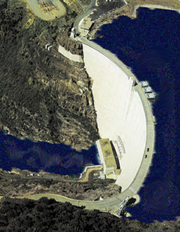
After nearly three years, the Bureau of Reclamation (BuRec) will soon be releasing its draft Environmental Impact Statement (EIS) for the reoperations of Flaming Gorge Dam. The purpose of this EIS is to recommend changes in dam operations to improve habitat for endangered fish along the Green River and in Dinosaur National Monument—the humpback chub, razorback sucker, bonytail chub and Colorado pikeminnow.
For a long time the operation of Flaming Gorge Dam has caused harm to native fish. The introduction of a successful fishery for non-native trout in the dam’s tailwaters is a testament to the conditions existing downstream of the dam that make the river inhospitable for native species, which require warmer water for successful spawning and survival. The reservoir traps vital sediments behind the dam, thereby inhibiting sandbar- and beach-building habitat necessary for protecting juvenile fish. The dam, which has no fish passage structure, forms a reservoir which is used and managed for a recreational sport fishery for several non-native species known to prey on endangered native fish. Conditions are marginal at best for endangered fish survival in the reservoir as well as downstream.
In 2000, Living Rivers formed a nationwide coalition to demand that BuRec fully consider the decommissioning of Flaming Gorge Dam as the most viable alternative to ensuring the recovery of native fish habitat in Dinosaur National Monument. Although a rather significant structure, Flaming Gorge Dam stores very little water, and generates an insignificant amount of hydroelectricity. Its decommissioning, along with that of the much smaller Fontenelle Dam upstream, would allow the Green River to again flow wild and free.
To obtain a copy of the draft EIS, write to: Beverly Heffernan; BuRec; 302 East 1860 South; Provo, UT 84606-7317; (801) 379-1161; Fax: (801) 379-1159; Email: bheffernan@uc.usbr.gov. Keep an eye on our web site for more detailed information once the draft EIS has been released.